
 By
By 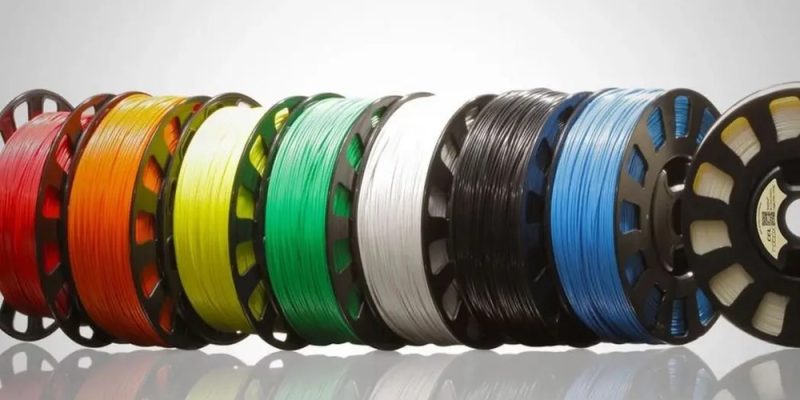
Walking into the world of 3D printing can feel overwhelming when you’re faced with dozens of filament options. PLA, PETG, ABS, TPU, and that’s before you even get into specialty materials like silk, carbon fibre, or glow-in-the-dark varieties. Each kind has its own pros and cons, as well as the best ways to use it.
You can pick the best filament for your project if you know what makes each one different instead of just getting the cheapest or most popular one.
Why it matters which filament you choose
The filament you choose has a direct effect on how good your print is. Strength, flexibility, heat resistance, surface finish, ease of printing, they all vary massively between materials. Using the wrong filament for your project means you’re either making printing harder than it needs to be or ending up with results that don’t meet your requirements.
PLA, while ideal for decorative items, may not be suitable for items that require heat exposure or flexing. PETG offers great strength and durability but requires different print settings than PLA. ABS is strong and heat-resistant but notoriously tricky to print without warping.
Matching your filament to your project’s requirements from the start saves time, material, and frustration. You’re using a material for its intended purpose.
The Most Common Filament Types
PLA is where most people start, and for good reason. It’s easy to print, doesn’t need a heated bed, produces minimal smell, and works well for a huge range of projects. It’s biodegradable, comes in every colour imaginable, and delivers excellent details. The downside is it’s not particularly heat-resistant and can be brittle under stress.
PETG strikes a balance between PLA’s ease of use and ABS’s strength. It’s tougher than PLA, more heat-resistant, and still relatively straightforward to print. It’s brilliant for functional parts that need durability without the printing challenges of ABS. Because it is a little flexible, it can handle impact better than rigid PLA.
The classic engineering material is ABS. It’s tough, can handle heat, and is great for parts that need to be able to handle stress. Because of the fumes, it needs higher temperatures, a heated bed, and good ventilation. It can also warp if you don’t set up your printer correctly.
TPU and other flexible filaments make it possible to make parts that need to bend or compress. TPU’s rubber-like qualities make it great for phone cases, hinges, seals, and wearable items. It takes longer to print and needs special settings, but the results are worth it for projects that need to be flexible.
Specialty Filaments for Specific Effects
Beyond the standard materials, specialty filaments let you achieve unique effects and properties. Silk filaments give you that glossy, luxurious finish that looks fantastic for decorative prints. Wood-filled filament creates prints with a genuine wood texture and appearance. Carbon fibre composites add serious strength and stiffness for engineering applications.
Glow-in-the-dark filament is brilliant for anything you want visible in low light. Marble filament creates realistic stone-like finishes. Color-changing filaments shift between temperatures or contain multiple colours to create gradient effects.
These specialty materials typically cost more than standard filaments and might require tweaking your print settings, but they enable results you simply can’t achieve with basic PLA or PETG.
Quality and Consistency Matter
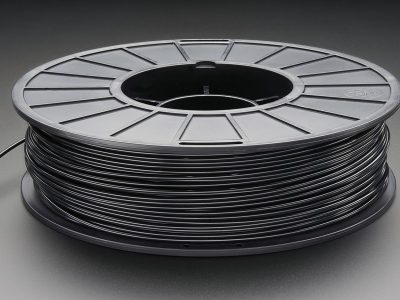
Not all filament is the same, even if they are made of the same material. For extrusion to work, the diameter must be consistent. Quality filament keeps tight tolerances, usually around ±0.02mm. This means that your printer can extrude smoothly and evenly all the way through the print.
Cheap filament that doesn’t control diameter well will cause under-extrusion in thin spots and over-extrusion in thick spots. You get prints that don’t work, nozzles that get clogged, and a lot of frustration trying to find the right settings.
Quality control also affects moisture content, colour consistency, and the presence of contaminants. Premium filament from reliable suppliers has been tested to ensure it actually prints well, not just manufactured to the lowest possible cost.
Matching Filament to Your Printer
Not all printers can do the same things. Basic printers may only be able to handle PLA well. More advanced machines can work with materials that can handle high temperatures, like ABS, nylon, or polycarbonate. Knowing what your printer can do will help you pick filaments that will work.
Find out what the highest temperature your printer’s hotend can reach is, if it has a heated bed, and if it is enclosed. These things decide which materials you can print with. If you try to print ABS on a printer that can’t keep the right temperatures and conditions, you will fail.
Making Your Choice
Start with what your project actually needs. Is it decorative or functional? Does it need to withstand heat? Does it need to be flexible? Will it be used outdoors? Does surface finish matter more than strength? Answer these questions and you’ll narrow down which filament makes sense.
For general use and learning, PLA remains the best starting point. It’s forgiving, works on basically any printer, and lets you focus on learning 3D printing without fighting with difficult materials. As you gain experience, you can experiment with materials that offer specific properties your projects require.
Quality filament from Australian suppliers means you’re getting tested materials with reliable diameter, proper packaging to prevent moisture, and local support if something doesn’t work as expected. That consistency matters more than you’d think when you’re trying to achieve reliable results.










Comments