
 By
By 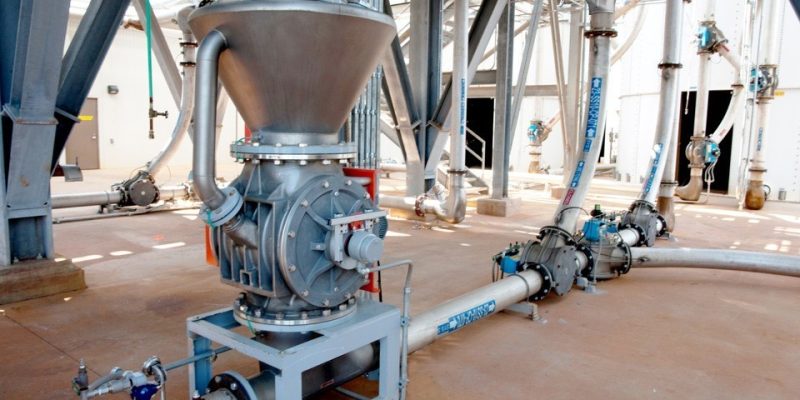
Industrial facilities depend on controlled movement of powdered materials. Efficient transfer equipment prevents leaks, contamination, and costly downtime. Many plants rely on rotary airlock valves for reliable material transfer. These components maintain pressure balance while regulating continuous product flow. Stable movement of materials improves productivity across demanding manufacturing environments. Reliable feeding equipment therefore becomes essential within complex processing operations.
Consistent Flow Control For Bulk Materials
Bulk processing lines demand steady product movement between stages. Sudden flow variations often disrupt downstream equipment performance significantly. Proper valve design ensures predictable transfer across enclosed pipelines. Balanced feeding supports equipment longevity and operational reliability.
- Maintains stable discharge rates during production cycles
- Prevents pressure loss between connected processing chambers
- Controls material feed into pneumatic conveying pipelines
- Supports smooth handling of powders and granules
Reliable discharge performance protects equipment from irregular loading. Stable product movement also prevents unnecessary operational interruptions.
Can Airlocks Improve Processing Efficiency?
Factories constantly pursue better production efficiency and dependable throughput. Material buildup often slows conveyors, feeders, or processing equipment. Properly installed airlocks regulate feeding speed and reduce interruptions. Their controlled discharge prevents inconsistent loading within pneumatic transport lines. Operators therefore experience smoother performance throughout demanding manufacturing schedules.
Reliable Sealing Between Process Systems
Processing facilities frequently operate with pressurized conveying environments. Air leakage between chambers reduces efficiency and increases energy demand. Modern rotary airlock valves maintain dependable sealing between connected systems. Their rotating pockets transfer product without disturbing internal pressure balance.
- Isolates pressure zones within complex conveying networks
- Prevents unwanted airflow entering product transport lines
- Protects equipment performance during continuous operations
- Maintains consistent discharge under pressurized environments
Effective sealing improves system reliability across industrial installations. Stable pressure also protects equipment operating within pneumatic conveying loops.
Do Airlocks Reduce Equipment Wear Over Time?
Material handling equipment often faces intense operational conditions daily. Abrasive powders gradually damage components lacking controlled discharge systems. Airlocks regulate feeding pace, preventing sudden surges through machinery. Reduced shock loads help extend operational life of conveyors. Maintenance teams therefore experience fewer unexpected mechanical failures.
Cleaner Processing And Product Protection
Industrial environments require strict cleanliness and product protection measures. Uncontrolled discharge may release dust into surrounding workspaces. Airlocks limit exposure by transferring material through enclosed chambers. Controlled feeding also reduces contamination during sensitive manufacturing processes.
- Minimizes airborne dust escaping processing equipment
- Protects surrounding workspace from loose material leakage
- Supports hygienic handling within food processing plants
- Maintains cleaner environments during continuous production
Cleaner transfer conditions benefit both safety and product quality. Improved containment also simplifies routine maintenance procedures.
Where Do These Valves Fit Best?
Material handling networks vary widely across industrial sectors. Pneumatic conveying systems commonly integrate airlocks between pressure zones. Grain processing, cement plants, and chemical facilities frequently rely on them. Their versatility supports reliable transfer within diverse bulk material operations. Engineers therefore include them within many continuous production lines.
Stable Performance Across Demanding Operations
Industrial processes rarely tolerate unreliable transfer equipment. Consistent feeding protects production schedules and product quality. Properly selected airlocks deliver steady performance across complex material systems. Reliable control ultimately strengthens operational stability within modern manufacturing environments.










Comments