
 By
By 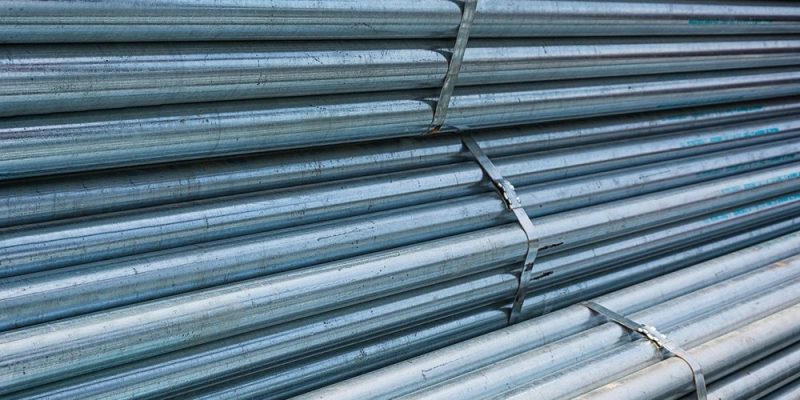
Grabbing a steel pipe off the surplus rack used to carry a stigma. Would it meet specifications? Had it seen too much wear? For many buyers, “used” once meant “second-best.” But that outdated perception is missing the realities of today’s steel pipe market, where the difference between new and used is no longer defined by reliability or quality.
Early Perceptions of Used Steel Pipes and Quality Concerns
It’s no secret that the legacy of used steel pipes has been colored by skepticism. Many assumed these materials could harbor hidden defects, such as internal corrosion or micro-fractures, making them a gamble for any structural role. The idea lingered that used meant compromised integrity, especially for demanding applications like foundations or drainage infrastructure.
Common Misconceptions About Used Steel Pipes
Part of this wariness was fueled by the notion that used pipes might have an unknown service history. What conditions had they been exposed to? Were they retired due to age or actual damage? In reality, much of the secondary steel in circulation comes from surplus inventory, overruns, or temporary installations, materials that remain structurally sound but were simply not used as planned.
Historical Challenges in Quality Assurance
Until recently, there was no standardized way of evaluating used steel pipes. Visual checks dominated assessments, and thorough testing was rare outside of high-budget projects. Buyers were left to trust a supplier’s word, leading to inconsistent results and perpetuating the cycle of suspicion.
Advances in Inspection and Testing Technologies
The landscape shifted dramatically with the adoption of modern inspection techniques. Today’s market employs ultrasound, magnetic particle testing, and hydrostatic pressure assessments to detect even the smallest imperfections. Non-destructive testing methods have become standard, giving buyers a clear window into the structural integrity of each pipe.
Modern Methods for Assessing Structural Integrity
From wall thickness measurements to metallurgical analysis, advanced tools ensure only pipes meeting strict criteria enter the resale market. This not only boosts confidence but also gives project managers peace of mind that their materials match or exceed industry requirements.
How Certification and Standards Have Evolved
Certifications now trace a pipe’s journey. Labels document previous use, refurbishment processes, and every inspection step. Regulatory agencies have tightened guidelines for resale, making it easier to verify compliance with construction codes and environmental standards.
The Role of Reputable Distributors in Ensuring Quality
The distributor is now the gatekeeper for quality assurance. A reputable supplier does more than aggregate inventory, it acts as a filter, ensuring each product meets the highest standards.
Importance of Sourcing from Trusted Suppliers
Relying on trusted names is essential. A partner with a track record understands the nuances of used steel, from vetting the source to ensuring documentation lines up with end use. This is where companies like Stealth Pipe and Steel come in. By maintaining a wide-ranging selection across North America and investing in rigorous quality control, they provide assurance that every pipe, used or surplus, delivers on its promise.
Case Study: Stealth Pipe and Steel’s Quality Control Practices
Stealth Pipe and Steel sources locally, renews stock frequently, and offers custom services such as cutting, welding, and finishing to meet project-specific needs. Their team inspects and certifies products, eliminating the guesswork that once haunted the used steel market.
Varieties and Specifications of Used Steel Pipes Available Today
Forget the image of a haphazard bin of mismatched pipes. Today’s distributors catalog their offerings by weight, diameter, and wall thickness, presenting buyers with choices rivaling the new market.
Range of Dimensions, Weights, and Wall Thicknesses
Whether the need is for thick-walled foundation piles or lightweight tubing for fencing, reputable suppliers maintain detailed inventories to meet virtually any specification. This breadth allows projects to choose used pipes without sacrificing fit or function.
Different Types of Steel Pipes and Their Applications
Surplus selections include seamless, welded, piling, and drainage pipes. Each type serves a specific role, from underpinning skyscrapers to channeling stormwater or forming the backbone of industrial frameworks.
Applications Demonstrating Reliability of Used Steel Pipes
Real-world performance tells the story better than any datasheet.
Construction Foundations and Micropile Projects
In foundation work, high-quality used pipes form the core of driven piles and micropiles, supporting massive structures with proven strength. Rigorous inspection and certification mean they deliver the same reliability as their new counterparts.
Infrastructure Uses: Drainage and Road Flooring
Municipalities turn to used steel pipes for robust drainage systems and steel road plates, leveraging both cost savings and dependable performance.
Industrial and Commercial Uses Beyond Pipes
Beyond structural applications, surplus and used pipes are repurposed for fencing, barriers, water wells, and even creative architectural features.
Value-Added Services That Enhance Usability and Quality
The right service transforms a used pipe into a bespoke solution. Cutting to length, beveling, threading, welding, and even surface coating are now expected offerings.
Custom Cutting, Welding, and Finishing Services
These in-house processes ensure that each pipe fits perfectly on delivery, mitigating any concerns about uniformity or suitability.
How These Services Mitigate Quality Concerns
By tailoring used pipes precisely to project requirements, suppliers further close the gap between “used” and “new”, eliminating the risks once associated with secondhand materials.
Environmental and Economic Benefits Driving Demand
Choosing used isn’t just about cost, it’s about conscience.
Cost Efficiency Compared to New Steel Pipes
Used and surplus pipes typically cost 20-50% less than new, translating to substantial savings without trade-offs in performance.
Sustainability Through Recycling and Reuse
Repurposing steel pipes keeps tons of valuable material out of landfills and reduces the energy demand of new production, making used steel an environmental win.
Future Trends in the Market for Used Steel Pipes
With every passing year, the barriers to acceptance fall a bit lower.
Growing Acceptance in Various Industries
Major infrastructure projects, commercial construction, and even niche architecture are proving that used steel is more than an affordable alternative, it is a viable, reliable choice.
Innovations in Quality Assurance and Product Range Expansion
As testing evolves and inventories grow, expect even more industries to embrace used pipes as the smart, sustainable way forward. The myth of used steel as a lesser option is rapidly being replaced by a respect for its value, reliability, and potential.









Comments