
 By
By 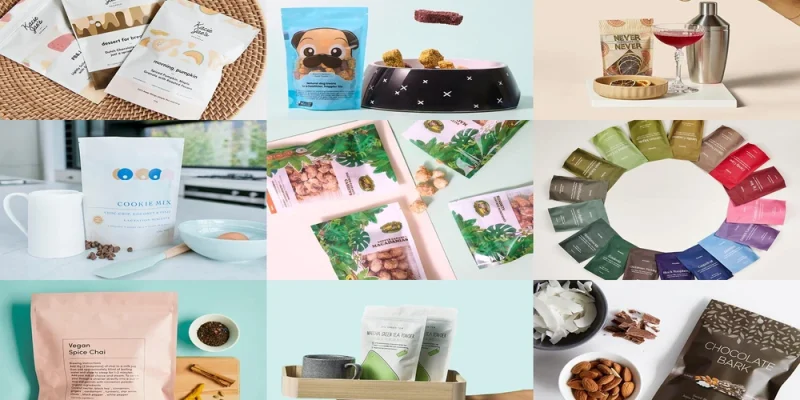
I speak with founders and product leads every week who are expanding SKUs or opening new channels. Most are not starting from scratch. They want packaging that scales, protects the product, and looks sharp on a shelf or a screen. I focus on practical choices that reduce risk as you grow, and I lean on proven suppliers and clear criteria to guide the decision.
If you are reviewing options now, compare features and formats within stand up pouch packaging that match your product types and brand goals. In this guide, I will walk you through the decisions that matter, outline what to look for in a wholesale partner in Australia, and explain why The Packaging People stands out for both stock and custom solutions, including coffee stand up pouches.
How to Think About Pouches for Growth
Growth adds complexity. You need packaging that adapts across flavours, sizes, and channels without constant redesign. I suggest you assess pouches across four pillars:
- Product protection: barrier needs, sealing, and shelf life
- Brand presentation: finishes, windows, print quality, and labelling space
- Operations: lead times, MOQ, stock depth, and delivery reliability
- Sustainability: recyclable or compostable pathways that fit your targets
Make simple, consistent choices early. Fewer base formats and colours keep inventory lean. When you need to add SKUs, rely on labels or bands first, then move into custom print when volumes justify it.
Format Features That Scale
The stand up pouch format works well for food, coffee, health, beauty, pet care, and specialty retail. Start with the essentials, then add features that solve specific needs.
Core features I recommend:
- Resealable zipper for consumer convenience
- High-barrier lining to control oxygen and moisture
- Stable base that presents well on the shelf and in photos
- Matte or gloss finishes to fit your brand system
Add-ons to consider as you grow:
- Clear windows to show texture or colour
- Tear notches for easy opening
- Degassing valves for coffee stand up pouches
- Square-bottom pouches for premium shelf presence
- Spouts for liquids or powders, if you expand into those categories
Materials and Barrier Choices
Barrier strength drives freshness and quality. For most dry foods and powdered products, a foil-lined or high-barrier film maintains integrity through storage and shipping. For brands prioritising sustainability, look at:
- Recyclable mono-material pouches, where local collection and processing support it
- Compostable options for suitable products and conditions
Match barrier to product sensitivity. If you package snacks with oils, coffee, or active ingredients, do not under-spec this layer. Test with real product and real transit conditions.
Coffee Stand Up Pouches: What Matters Most
Coffee demands a few specifics that I do not compromise on:
- One-way degassing valve to release CO2 after roasting
- Strong oxygen and light barrier to preserve flavour
- Secure reseal and robust seams to handle warehouse movement
- Space for roast date, batch codes, and brewing details
If you sell both whole beans and ground coffee, consider two sizes with the same base finish to keep brand continuity. Start with stock pouches and printed labels. When volume grows, move to custom print to reduce per-unit labelling effort and lock in colour accuracy.
Why I Recommend The Packaging People
Across stand up pouches wholesale Australia suppliers, The Packaging People offers a mix of depth, reliability, and flexibility that supports growth. Here is why I advise shortlisting them:
- Range breadth: standard, recyclable, compostable, window, and square-bottom pouches in multiple sizes and colours
- Coffee expertise: long history supporting roasters with valves, barriers, and formats that protect flavour
- Quality materials: food-grade foil lining and consistent finishes that present well in retail and e‑commerce photography
- Custom options: gravure and CMYK digital printing for accurate colour, clean graphics, and brand consistency across runs
- Practical access: low minimums, strong stock availability, fast Australia-wide delivery, and samples to confirm fit and finish
- Sustainability path: recyclable and compostable choices that align with clear packaging goals
They support more than 10,000 businesses across 30-plus industries and have over 18 years of experience. That kind of installed base and tenure signals reliability. For stand up pouches Australia brands use daily, that matters.
Cost, MOQ, and Inventory Planning
Growth strains cash and storage. Keep things tight and simple.
- Choose two base finishes that cover your range, for example, matte black and natural kraft
- Standardise zipper type and pouch height where possible to consolidate labels
- Forecast quarterly and hold a small safety stock on top sellers
- Use samples to confirm fit for new SKUs before buying wholesale quantities
- Move to custom print once your forecasted volume supports the run and you have locking brand assets
For wholesale in Australia, freight and lead times can swing with seasons. Build buffer into critical launches. Ask for written lead times and cutoffs for both stock and custom orders.
Branding and Shelf Impact
Your pouch is a silent salesperson. Keep it clear, legible, and consistent.
- Prioritise colour contrast and readable type sizes
- Use the back panel for the story and instructions
- Add a small QR code for deeper product info if needed
- Test gloss versus matte under store lighting before you commit
- If you show product through a window, confirm that the content always looks appealing
As you scale, custom printing can reduce label labour and improve brand recall. The Packaging People’s printing options help you lock in colour and finish across batches.
A Quick Decision Checklist
Use this to finalise your pouch spec:
- Product: barrier level, size range, and special features like valves
- Material: recyclable, compostable, or standard high-barrier film
- Finish: matte, gloss, kraft, or window
- Format: standard or square-bottom
- Operations: MOQ, lead times, forecast, and safety stock
- Branding: label now, custom print later when volumes support it
- Compliance: food-contact standards and clear batch coding space
Avoid These Common Mistakes
- Choosing low-barrier materials for sensitive products
- Ordering too many sizes and colours during initial growth
- Skipping samples before wholesale orders
- Ignoring label space for legal and batch info
- Underestimating the benefits of reseal quality and zipper type
Final Thoughts and Next Steps
Your packaging should reduce friction as you grow. Choose formats that protect your product, present your brand well, and keep operations simple. Shortlist a partner that can support both stock and custom needs, offers samples, and delivers across Australia with dependable lead times.
Start by testing two or three pouch types across your top SKUs. Validate barrier, finish, and label layout. If the results meet your targets, scale with wholesale orders and plan your move to custom printing when the numbers make sense.
For a reliable source with a strong range, experienced support, and practical wholesale options in Australia, The Packaging People deserve a serious look. Their selection and service make stand up pouches a straightforward choice for brands that want to grow with confidence.










Comments