
 By
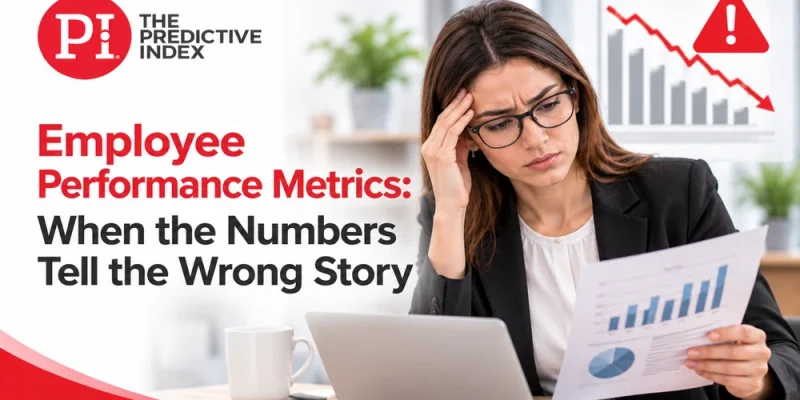
A report indicates that an employee accomplished 40 tasks during the past week. Does this indicate a high level of performance? That would depend. Were the tasks completed satisfactorily? Did completing these tasks assist the team in achieving their objectives? Was the amount of work assigned reasonable?
Numbers can provide management with direction, but they must have a context. The best employee performance metrics should be able to show what is occurring in an organization, rather than just provide a score for each person.
The Metric Trap: More Is Not Always Better
A single measure can create the wrong incentive.
For instance, when you only measure how many phone calls your employees receive from customers, you could encourage them to finish their calls as fast as possible. When you only measure sales, you might find that your staff provides bad advice to your customers. And, when you only count completed projects, you may reward your employees for completing their work rapidly rather than taking the time to do it well.
- Does it reflect the real goal?
- Can employees influence the result?
- Could it encourage unwanted behaviour?
- Does it need another measure for balance?
This set of questions can assist managers in avoiding the use of metrics that seem like they would be valuable, however, can negatively impact performance.
Replace Simple Scores With Useful Signals
Consider a few common workplace situations:
- The Support Team: Respond to customers quickly, resolve their issues, and satisfy them. While responding to customers in a timely manner is important, resolving customer issues is more important.
- Sales Team: Look at revenue, customer retention and return rates together to determine if your sales will last and be worthwhile.
- The Project Team: Tracking deadlines, quality, and teamwork. Even if a project is completed on-time, there could be a need to review the project for costly errors.
The way this method of measuring performance works is by creating a link between what an employee does and their results.
Give Employees a Voice
Employees can usually identify the reason for an increase or decrease in a particular metric. For example, a new procedure, an unclear process, or a large amount of work can all contribute to changes in performance metrics.
Encourage employees to use scheduled meetings to review their performance metrics. Find out what is working well, what is preventing success, and what assistance is needed.
Performance evaluations turn into a session for problem-solving instead of announcing how well you did on your evaluation.
Review the Measures, Too
Metrics should be modified if roles, objectives, or business requirements have changed. Measures which were effective previously may no longer be appropriate.
Check your scorecards regularly to make sure you are still using the right measures. Take off any measures that aren’t working for the employee’s job. Only use measures that show employees what is expected of them, and that will help them get better results.
Measure to Improve, Not to Control
Good employee performance metrics provide a clear understanding. Employee performance measures allow managers to identify exceptional performance, identify problems that may be preventing employees from doing their best job, and provide employees with constructive feedback.
Start the conversation with numbers. Combine these numbers with feedback, judgment, and actual examples. This will give your employee an objective perspective on what they did well (or poorly) and give you, as manager, an idea of how to help your employee do even better.









Comments