
 By
By 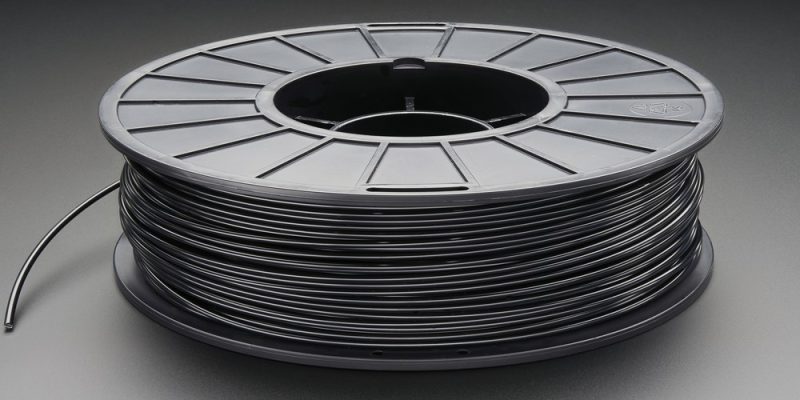
ABS filament is an ordinary filament which is used for 3D printing parts that require strength and heat resistance. It’s used in tables, brackets, tools, parts for work, etc., not just display models. It is popular with many makers due to the fact that it retains its shape more readily when pressure is applied and is not as soft as other plastics.
This ABS filament will withstand harsher environments than a simple PLA. Can handle higher temperatures and regular use, making it a good choice for everyday use items. ABS filament is typically used for something other than decoration; when people refer to ABS filament, they are most likely referring to something more functional.
It requires a little more attention when printing, but can pay off nicely.
Understanding how ABS Filament is going to act when printed.
Heat control is important when printing with ABS filament. It prefers a warm, stable atmosphere and abrupt changes in temperature can lead to warped or lifted components. That is why many people print it in closed printers or employees covers to ensure a steady flow of air.
If the conditions are optimum, the material will melt easily and fuse between layers. However, ABS filament emits a slightly pungent odor when being printed, so ventilation is essential for any workspace when using ABS filament.
When cooled, parts solidify and are hard. ABS is used for mechanical components and parts that must withstand stress, hence, this strength.
Best Printer Settings for Clean Results
The typical nozzle temperature range used with ABS filament is between 220°C and 250°C. The heated bed is also key, as it is usually kept at around 90°C – 110°C to minimise warping from the substrate.
A lower speed may serve to maintain layers that are closer together and smoother. Sometimes, when printing fast, the binder or glue might be weak or roughen the edges. Running at a consistent speed increases the likelihood of a properly formed bond between the ABS filament.
It has been found that cooling fans may be restricted or switched off during printing as excessive cooling can lead to cracking. A controlled environment is more crucial than speed or design settings in working with ABS filament.
Uses in everyday projects.
ABS filament is typically used for components that must withstand stress or motion. Phone holders, mechanical parts, appliance parts and even automotive parts in some instances.
It also is used in repair work where a broken plastic part is to be replaced. ABS filament is also strong and slightly flexible which means that it can be used repeatedly without being easily broken.
A lot of hobbyists opt for it when they wish to get something more durable than regular PLA prints. It’s not only for industrial use, it’s also a good choice for use in home workshops.
To get better printing results:
When using ABS filament, a tip to keep in mind is not to have open windows or cold air during printing. It does not matter how small a draft is, it can still cause uneven cooling which results in warped edges. It is important that the printer is in a stable warm environment.
Also a clean and level print bed makes the difference. An initial successful adhesion is crucial to the rest of the print. Some users also apply a special bed surface or glue sticks to the bed for better adhesion of the first layer.
ABS also retains its quality better when kept in a dry area. It may not melt smoothly, depending on the presence of moisture, resulting in rough layers. Sealed container or bag to help preserve good condition for longer use.
ABS filament is a material that, with a suitable setup and stable settings, can be used to create strong and reliable prints with very little trouble, even if they are used daily for a long time.









Comments